
Lalbagh Lake: History, Ecology and What to See
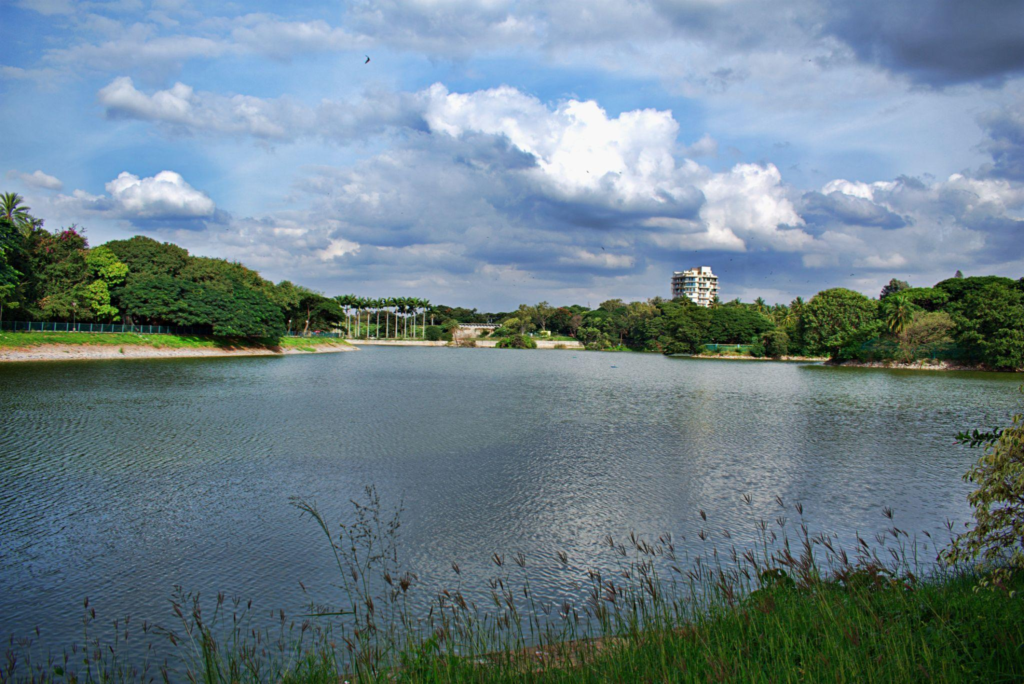
Lalbagh Lake is one of the most peaceful and scenic parts of Lalbagh Botanical Garden in Bengaluru. Surrounded by mature trees, lawns, walking paths and the rich plant life of the botanical garden, the lake provides a quieter side of Lalbagh away from the more crowded attractions.
The lake is also important from an ecological perspective. Studies of Bengaluru’s urban lakes have recorded significant waterbird diversity at Lalbagh Lake, making it an interesting place for birdwatchers and nature enthusiasts.
Today, visitors generally come here to enjoy the landscape, walk around the garden, observe birds and take photographs. The lake is best experienced as part of a wider visit to Lalbagh rather than as a standalone attraction.
Lalbagh Lake at a Glance
| Feature | Details |
|---|---|
| Location | Lalbagh Botanical Garden, Bengaluru, Karnataka |
| Garden area | About 240 acres |
| Setting | Botanical garden and urban green space |
| Best for | Walking, nature observation, birdwatching and photography |
| Popular wildlife | Waterbirds and other urban bird species |
| Nearby attractions | Glass House, Kempegowda Watchtower, historic rock, botanical collections |
| Best time to visit | Early morning or late afternoon |
| Separate lake entry | No; the lake is inside Lalbagh Botanical Garden |
Lalbagh itself covers about 240 acres and is one of Bengaluru’s major horticultural and tourist attractions. The Bengaluru Urban district administration specifically lists its expansive lake among the garden’s notable features.
History of Lalbagh Lake
The history of Lalbagh Lake is closely connected with the much older history of Lalbagh Botanical Garden.
Lalbagh began in 1760, when Hyder Ali started developing a garden in Bengaluru. His son, Tipu Sultan, subsequently expanded the garden and introduced plants from different parts of the world. The Karnataka government describes Hyder Ali’s garden as an important early milestone in the development of horticulture in the region.
Over the following centuries, Lalbagh changed from a royal garden into an important botanical and horticultural institution. During the British period, the garden was further developed and organised as a centre for plant cultivation and horticulture.
When was Lalbagh Lake built?
The exact history of the lake itself is less clearly documented than the history of Lalbagh as a whole.
Some historical accounts describe the water body as an old feature associated with the garden and suggest that water was important to the garden’s horticultural development. Other sources describe later improvements to the lake and its surroundings during the period when Lalbagh was being developed as a botanical garden.
Because the available historical sources do not provide a single definitive construction date for the present lake, it is better not to assign a specific year to its creation.
What is clear is that the lake has become an established part of Lalbagh’s historic landscape and continues to complement the garden’s extensive plant collections.
Lalbagh Lake and the Ecology of Bengaluru
Lalbagh Lake is more than a scenic water body. Its water, shoreline vegetation and surrounding trees create habitat within one of Bengaluru’s most important urban green spaces.
Urban lakes can provide feeding, resting and nesting opportunities for birds, particularly when they are surrounded by vegetation. Research examining waterbirds across Bengaluru found that Lalbagh Botanical Garden Lake recorded the highest mean population density of waterbirds per hectare among the lakes included in that study.
Another study of aquatic birds in Greater Bengaluru reported that Lalbagh Lake had the highest species richness and diversity of waterbirds among the lakes examined in that research.

Birds at Lalbagh Lake
Bird sightings can vary depending on season, weather, water conditions and human activity. Visitors may see different water-associated birds as well as species using the surrounding trees and vegetation.
Historical birdwatching reports from Lalbagh have documented waterbirds and migratory species, although their presence can change from year to year.
If you want to watch birds, early morning is generally a good time because the garden is quieter and birds are often more active.
A few simple birdwatching practices can make the experience better:
- Keep noise levels low.
- Carry binoculars if you have them.
- Look at trees and vegetation as well as the water.
- Avoid chasing or disturbing birds.
- Do not feed wildlife.
- Stay on permitted paths and respect restricted areas.
What to See at Lalbagh Lake
The lake itself is relatively simple, but its surroundings make it an enjoyable stop during a visit to Lalbagh.
1. The Lake and Its Reflections
One of the main attractions is simply the view across the water.
Mature trees around the lake create reflections on the surface, particularly when the water is calm. Morning light can make the area especially attractive for landscape photography.


2. Mature Trees and Garden Vegetation
The lake is surrounded by the extensive greenery of Lalbagh. The combination of water, large trees and botanical collections gives the area a very different atmosphere from the busy roads outside the garden.
For visitors interested in plants, the lake can therefore be treated as one stop within a much larger botanical landscape.
3. Waterbirds
If you’re interested in wildlife, spend some time observing the edges of the lake rather than simply walking past it.
Birds may be easier to notice when you stop quietly for several minutes. A pair of binoculars can be particularly useful because birds may remain at a distance from the walking paths.
4. Photography
Lalbagh Lake is one of the better places inside the garden for nature and landscape photography.
Good subjects include:
- Reflections on the water
- Trees around the shoreline
- Birds and other wildlife
- Seasonal vegetation
- Sunrise or early-morning light
- Wide views of the garden surrounding the lake
For wildlife photography, avoid getting too close to birds or entering restricted areas just to obtain a photograph.
Other Attractions Near Lalbagh Lake
One advantage of visiting Lalbagh Lake is that several of the garden’s major attractions can be combined in the same visit.
Lalbagh Glass House
The famous Glass House is one of Lalbagh’s best-known landmarks. It was inspired by London’s Crystal Palace and has become particularly associated with the garden’s major flower shows.
Kempegowda Watchtower and Historic Rock
Another important feature is the ancient Peninsular Gneiss rock formation and the historic watchtower associated with Kempegowda. Bengaluru’s tourism information describes the rock as approximately 3,000 million years old.
Botanical Collections
Lalbagh’s biggest attraction remains its extensive collection of plants and trees. The garden’s history of collecting and cultivating plants stretches back to the 18th century, when Tipu Sultan expanded its horticultural collection.

Best Time to Visit Lalbagh Lake
Early morning is usually the most pleasant time to explore the lake.
Morning visits offer:
- Cooler temperatures
- Softer natural light
- A quieter atmosphere
- Better conditions for walking
- Good opportunities for birdwatching
Late afternoon can also be enjoyable, especially if you are primarily interested in scenery and photography.
During major flower shows and other popular events, Lalbagh can become considerably busier. The Bengaluru Urban administration confirms that Lalbagh hosts flower shows as well as horticultural events during the year.
Is Lalbagh Lake Worth Visiting?
Lalbagh Lake is worth including if you are already exploring Lalbagh Botanical Garden and want to experience its quieter natural side.
It may not have the kind of attractions associated with a recreational boating lake, but its importance comes from the combination of water, mature vegetation, birdlife and botanical surroundings. Research on Bengaluru’s lakes has also highlighted its importance for waterbirds.
For most visitors, the best approach is to spend some time around the lake and then continue exploring the other parts of Lalbagh rather than planning an entire visit around the lake alone.
Tips for Visiting Lalbagh Lake
Keep these points in mind during your visit:
- Visit early if you enjoy birdwatching or peaceful walks.
- Carry water, especially during warmer months.
- Wear comfortable walking shoes.
- Carry binoculars if birdwatching is a priority.
- Keep the lake and surrounding areas clean.
- Do not feed birds or other wildlife.
- Avoid loud music and unnecessary disturbance.
- Follow garden signs and instructions from staff.
- Check current Lalbagh rules and timings before visiting, especially during special events.
Frequently Asked Questions About Lalbagh Lake
Where is Lalbagh Lake located?
Lalbagh Lake is located inside Lalbagh Botanical Garden in Bengaluru, Karnataka. The Bengaluru Urban district administration lists the lake among the garden’s major attractions.
What is Lalbagh Lake famous for?
Lalbagh Lake is known for its scenic surroundings, mature vegetation, birdlife and peaceful atmosphere. It is also notable from an ecological perspective because research has recorded substantial waterbird diversity at the lake.
When was Lalbagh Lake built?
There is no universally documented construction date for the present Lalbagh Lake. The water body is closely associated with the historic development of Lalbagh, which began in 1760 under Hyder Ali.
Can you go boating at Lalbagh Lake?
Boating should not be assumed to be a regular activity at Lalbagh Lake. If boating is important to your visit, check with Lalbagh authorities for the current status rather than relying on older travel information.
Can you see birds at Lalbagh Lake?
Yes. Lalbagh Lake provides habitat for waterbirds and other bird species. Research conducted on Bengaluru’s urban lakes has documented particularly high waterbird diversity and density at Lalbagh Lake.
What else can you see near Lalbagh Lake?
A visit can be combined with the Lalbagh Glass House, historic rock and Kempegowda Watchtower, botanical collections, lawns and other garden attractions.
Final Thoughts
Lalbagh Lake is one of the places that shows why Lalbagh Botanical Garden is more than a collection of plants. Its water, trees and birdlife form an important natural component of the historic garden.
While the exact early history of the lake is not as well documented as the history of Lalbagh itself, its connection with the garden’s long horticultural development is clear. Today, it provides visitors with an opportunity to slow down, observe nature and experience a quieter part of one of Bengaluru’s oldest green spaces.
If you’re exploring Lalbagh, don’t simply walk past the lake. Spend a few minutes beside the water, look for birds in the surrounding vegetation and take in the landscape before continuing toward the garden’s other historic attractions.
Also See: Lalbagh Topiary Garden: The Snow White and Seven Dwarfs Exhibit

Suresh Kumar is the founder and editor of LalbaghBotanicalGarden.com, a website dedicated to helping visitors plan their trips to Lalbagh Botanical Garden with accurate, well-researched information on timings, fees, history, and attractions. Content is compiled and fact-checked using official sources and government tourism records.
Email: worldtuch0007@gmail.com