







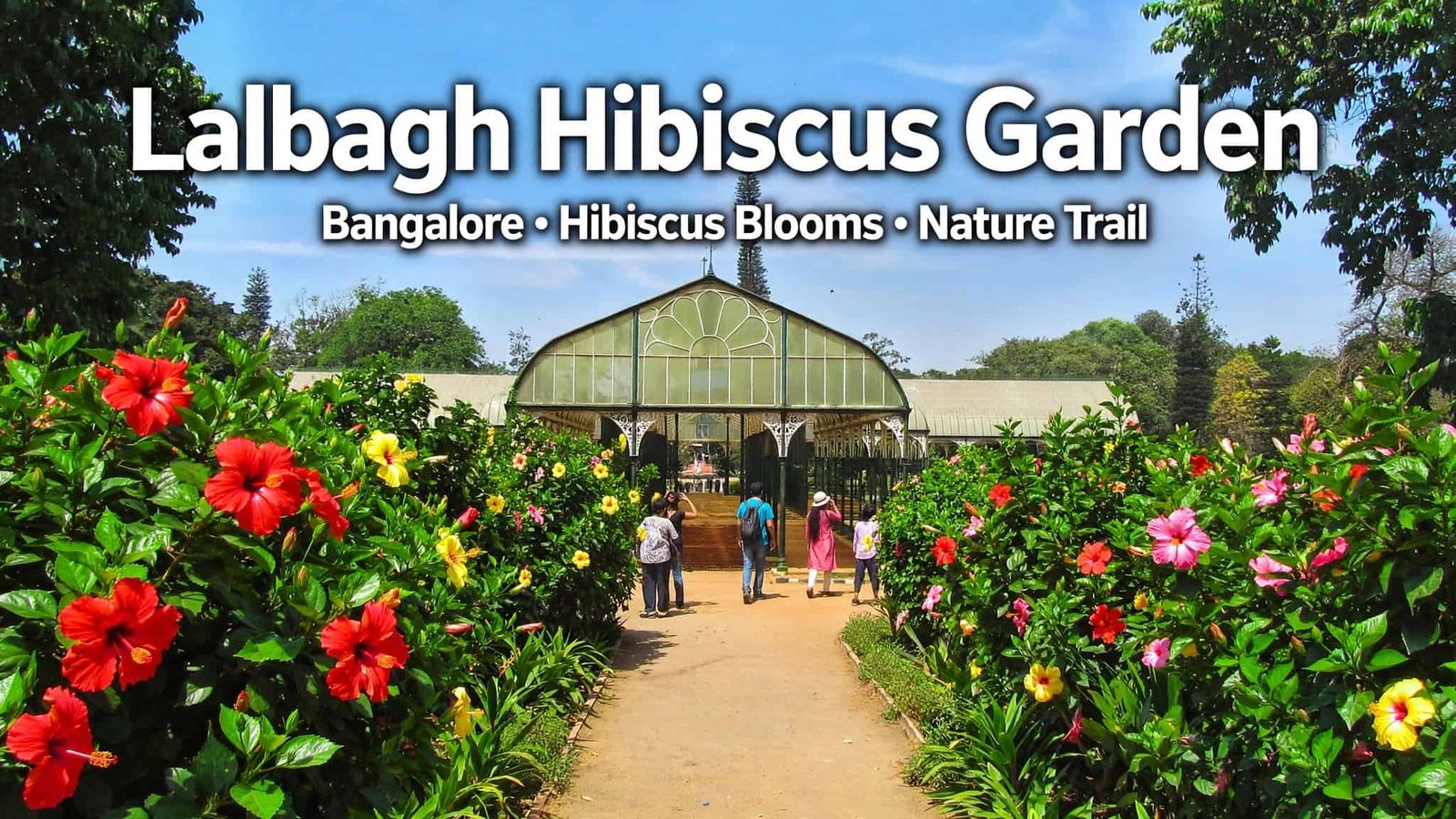
The Lalbagh Hibiscus Garden is one of the colourful specialty sections inside Lalbagh Botanical Garden in Bengaluru, Karnataka. It is dedicated to the display and conservation of hibiscus plants and is particularly interesting for visitors who enjoy flowers, gardening and botanical collections.
Lalbagh itself is a historic botanical garden spread across about 240 acres and managed by the Department of Horticulture, Government of Karnataka. The garden contains a wide variety of plants and several specialized attractions, including the Hibiscus Garden.
What Is the Lalbagh Hibiscus Garden?
The Hibiscus Garden is a dedicated collection of hibiscus plants within Lalbagh. Visitors can see flowers in different colours, shapes and forms, making this section quite different from the larger landscape areas of the botanical garden.
The Government of India’s Incredible India tourism portal describes the Lalbagh collection as having more than 70 types of hibiscus flowers. The exact plants in bloom can vary depending on the season and maintenance of the collection.
For flower enthusiasts, the attraction is not simply the number of plants. The collection provides an opportunity to compare different hibiscus forms and observe differences in petal arrangement, flower colour and size.
History of Lalbagh and Its Hibiscus Collection
The history of the Hibiscus Garden is connected to the much longer history of Lalbagh.
Lalbagh was started around 1760 by Hyder Ali, the ruler of Mysore. His son, Tipu Sultan, later expanded the garden and introduced plants from different parts of the world. Over time, Lalbagh developed from a royal garden into an important botanical and horticultural centre.
During the 19th century, the garden received further botanical development. In particular, John Cameron, who became superintendent in 1874, played an important role in expanding plant collections and systematic horticultural work at Lalbagh.
The garden’s botanical importance continued to grow under later horticulturists, including G. H. Krumbiegel, whose work helped establish Lalbagh as more than an ornamental public garden. Botanical collections, plant identification and horticultural education became important parts of its role.
Hibiscus Gene Bank Initiative
An important chapter in the history of Lalbagh’s hibiscus collection came in 2015, when a Hibiscus Gene Bank was officially launched at Lalbagh. The International Hibiscus Society reported that nearly 300 hibiscus plants were planted as part of the initiative. The project was intended to help conserve and document hibiscus diversity, including Indian varieties and derivatives.
This makes the hibiscus section particularly relevant from a botanical and conservation perspective, rather than being simply a decorative flower garden.
What to See at Lalbagh Hibiscus Garden

1. Different Hibiscus Colours
One of the first things visitors notice is the range of flower colours.
Depending on what is flowering during your visit, you may see shades such as:
- Red
- Pink
- Yellow
- Orange
- White
- Multicoloured or contrasting flowers
The variety of colours makes this section especially attractive for flower photography.
2. Different Flower Shapes
Hibiscus flowers are not limited to the familiar single red flower commonly seen in Indian gardens.
The collection can include flowers with different petal arrangements, including single and double forms. Some cultivars have broad petals, while others have more ruffled or layered flowers.
For visitors interested in gardening, comparing these forms can be one of the most enjoyable parts of the visit.
3. Hibiscus Varieties and Cultivars
Lalbagh has a long history of horticultural work involving ornamental plants. Historical horticultural literature records numerous hibiscus cultivars associated with Lalbagh and Bengaluru’s horticultural institutions.
Older records also document the introduction of hibiscus cultivars from Hawaii during the 1960s, showing that the garden’s interest in hibiscus varieties goes back several decades.
Because individual plants can be added, replaced or maintained differently over time, visitors should not assume that every historically documented cultivar will still be displayed today.
4. A Closer Look at the Flowers
The Hibiscus Garden is also useful for anyone interested in learning basic flower structure.
A hibiscus flower provides a clear example of features such as:
- Large colourful petals
- Staminal column
- Yellow anthers
- Stigma
- Flower buds
- Green leaves and calyx
This makes the garden interesting for students and amateur plant enthusiasts as well as casual visitors.
Why the Hibiscus Garden Is Special
The Hibiscus Garden is different from attractions such as the Lalbagh Glass House or Lalbagh Rock.
The Glass House is primarily associated with Lalbagh’s horticultural displays and flower shows, while the Hibiscus Garden focuses on a particular group of flowering plants. The collection also reflects Lalbagh’s continuing role in horticulture and plant conservation.
For photographers, the attraction is the combination of colourful flowers and green foliage. For gardeners, it offers ideas about different hibiscus forms that can potentially be grown in suitable conditions.
Best Time to Visit the Hibiscus Garden
Hibiscus plants can flower repeatedly under suitable growing conditions, but the number of open flowers depends on weather, plant health and seasonal maintenance.
If your main purpose is flower photography, visiting when the plants are actively flowering will provide a better experience than choosing a date solely based on the general Lalbagh visiting season.
It is also worth remembering that Lalbagh is a large botanical garden. The Hibiscus Garden is only one part of the overall attraction, so allow additional time to explore the rest of the grounds.
Other Attractions to See Near the Hibiscus Garden

After visiting the Hibiscus Garden, you can explore several other well-known attractions inside Lalbagh.
Lalbagh Glass House
The historic Glass House is one of Lalbagh’s most recognizable structures. It was inspired by London’s Crystal Palace and became an important venue for flower shows. The biannual flower shows are traditionally associated with Republic Day and Independence Day periods.
Lalbagh Rock
The garden’s famous Peninsular Gneiss rock formation is estimated to be around 3 billion years old and is recognized as a National Geological Monument. A Kempegowda-era watchtower stands on the rock formation.
Floral Clock
The Floral Clock is another colourful attraction and is particularly popular with families and photographers. It combines a clock with a landscaped floral setting.
Lalbagh Lake
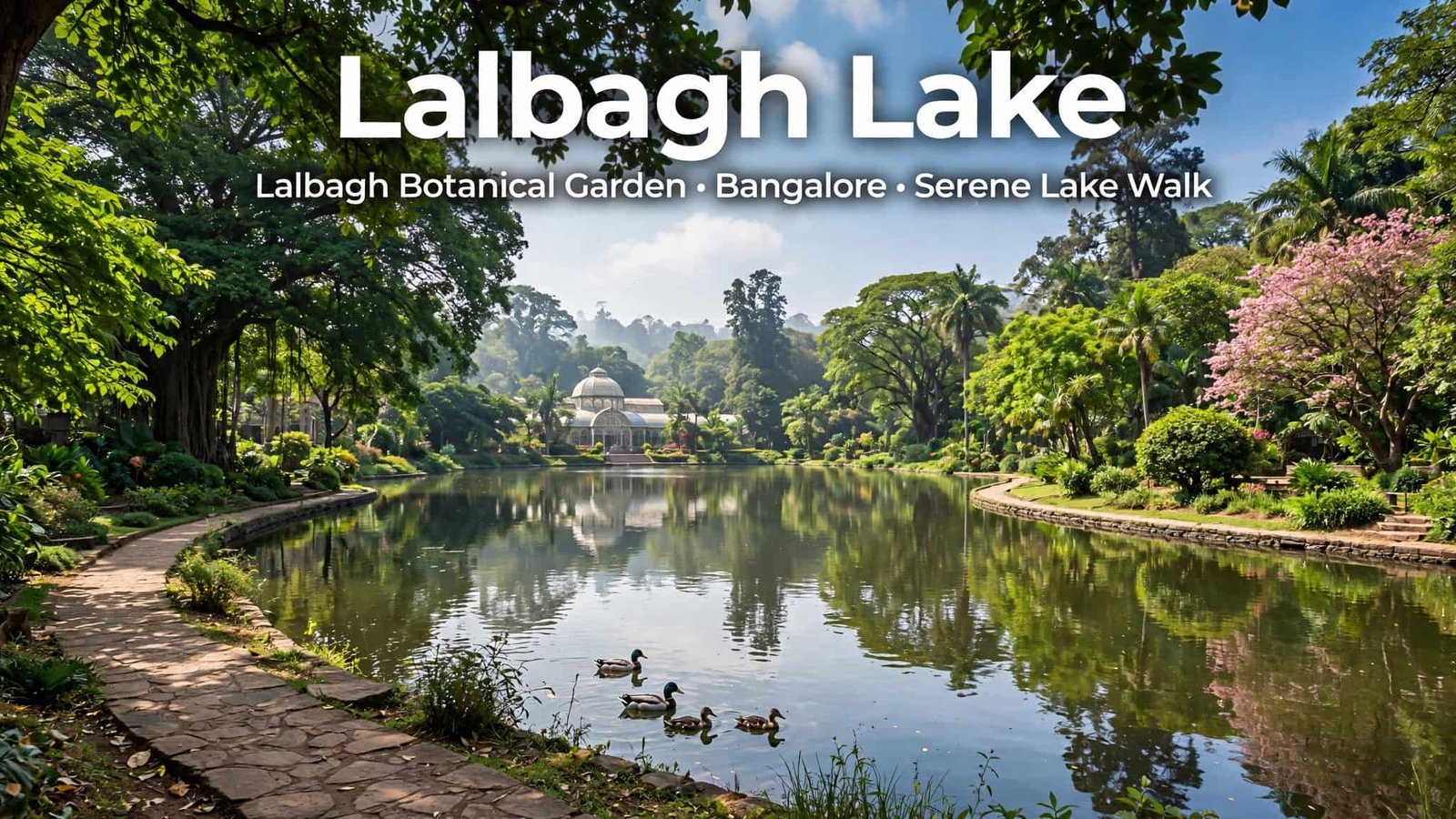
Lalbagh Lake provides a contrasting landscape of water, trees and vegetation. It is one of the larger natural-looking features within the garden and is a pleasant area to include in a longer Lalbagh visit.
Bonsai Garden
The Bonsai Garden contains miniature trees cultivated using bonsai techniques. It adds another horticultural dimension to a visit that begins with the flower collections.
Tips for Visiting the Lalbagh Hibiscus Garden
Keep these simple tips in mind:
- Allow enough time: Lalbagh is a large garden, so don’t plan to see only one section if it is your first visit.
- Carry a camera: The different hibiscus colours and flower shapes make good photography subjects.
- Visit during flowering periods: The appearance of the collection changes depending on what is blooming.
- Wear comfortable footwear: You may walk considerable distances between different attractions.
- Don’t pick flowers: The plants form part of a managed botanical collection.
- Check current garden information: Timings, access arrangements and specific sections can change.
Frequently Asked Questions
Where is the Lalbagh Hibiscus Garden?
The Hibiscus Garden is located inside Lalbagh Botanical Garden in Bengaluru, Karnataka. It is one of the specialized plant collections within the large botanical garden.
How many types of hibiscus are in Lalbagh?
The Government of India’s Incredible India tourism portal describes the Lalbagh Hibiscus Garden as having more than 70 types of hibiscus flowers. Historical conservation work has also included a Hibiscus Gene Bank initiative.
When was the Lalbagh Hibiscus Gene Bank started?
The Hibiscus Gene Bank initiative at Lalbagh was officially launched in 2015, with nearly 300 hibiscus plants planted as part of the initial effort, according to the International Hibiscus Society.
Is the Hibiscus Garden worth visiting?
The Hibiscus Garden is particularly relevant for visitors interested in flowers, gardening, plant photography and botanical collections. It can also be combined with Lalbagh’s other attractions, including the Glass House, Lalbagh Rock, Floral Clock and Lake.
Can I see different coloured hibiscus flowers at Lalbagh?
Yes. The collection includes hibiscus with different flower colours and forms. However, the exact flowers in bloom can vary according to the season and garden conditions.
Final Thoughts
The Lalbagh Hibiscus Garden is a small but interesting part of one of Bengaluru’s most historically important gardens. Its appeal comes from the combination of colourful hibiscus flowers, horticultural diversity and Lalbagh’s broader tradition of botanical conservation.
The history is also worth remembering. Lalbagh began as a royal garden in the 18th century, developed into an important botanical garden during the following centuries, and continues to maintain specialized plant collections today. The 2015 Hibiscus Gene Bank initiative further highlights the importance of preserving hibiscus diversity at the garden.
For anyone exploring Lalbagh, the Hibiscus Garden is best treated as one stop within a larger botanical experience—especially when combined with the Glass House, Lalbagh Rock, Floral Clock and other plant collections.
Read Also: Lalbagh Rose Garden: A Complete Visitor Guide

Suresh Kumar is the founder and editor of LalbaghBotanicalGarden.com, a website dedicated to helping visitors plan their trips to Lalbagh Botanical Garden with accurate, well-researched information on timings, fees, history, and attractions. Content is compiled and fact-checked using official sources and government tourism records.
Email: lalbaghgardenbangalore@gmail.com