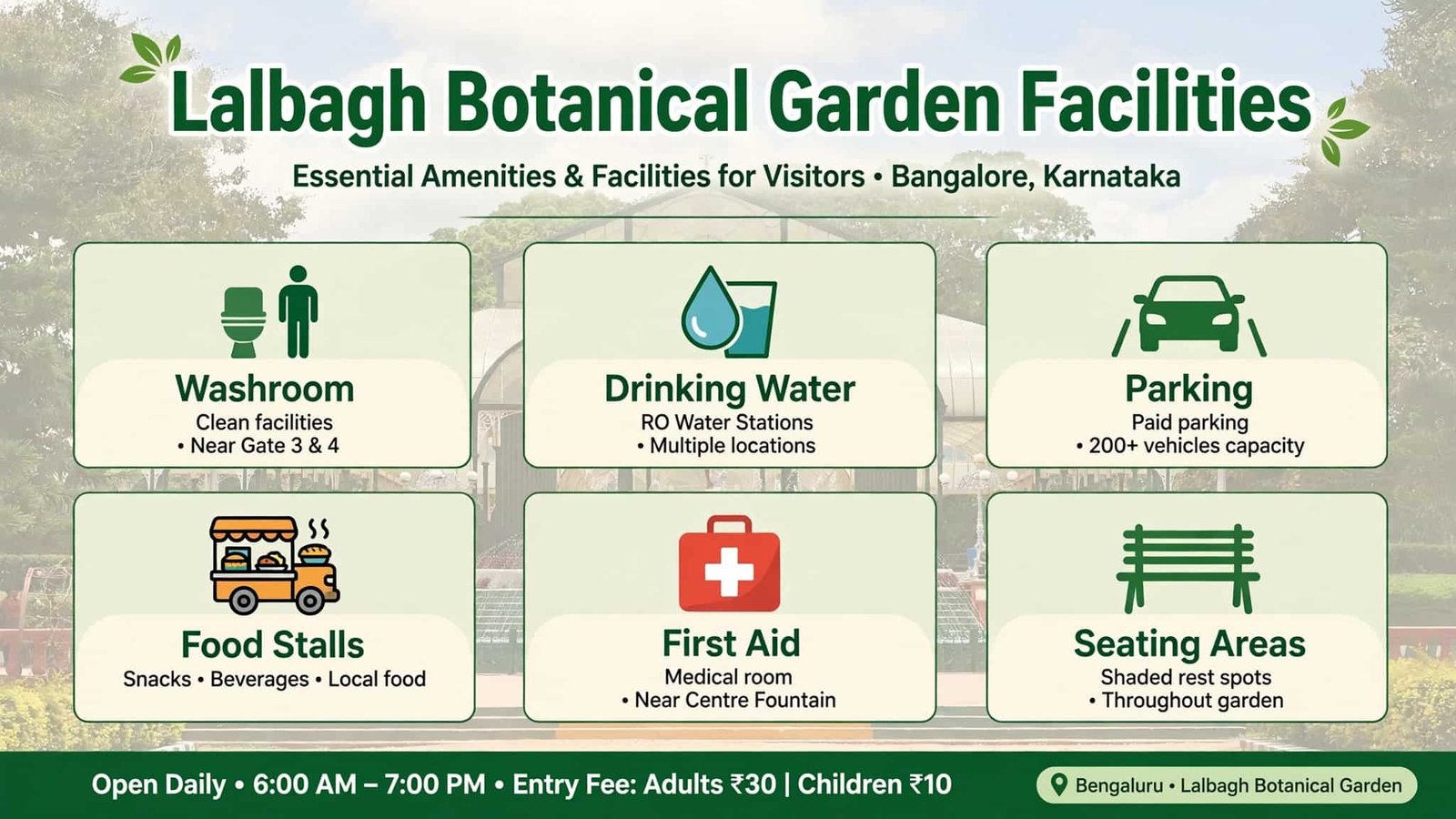






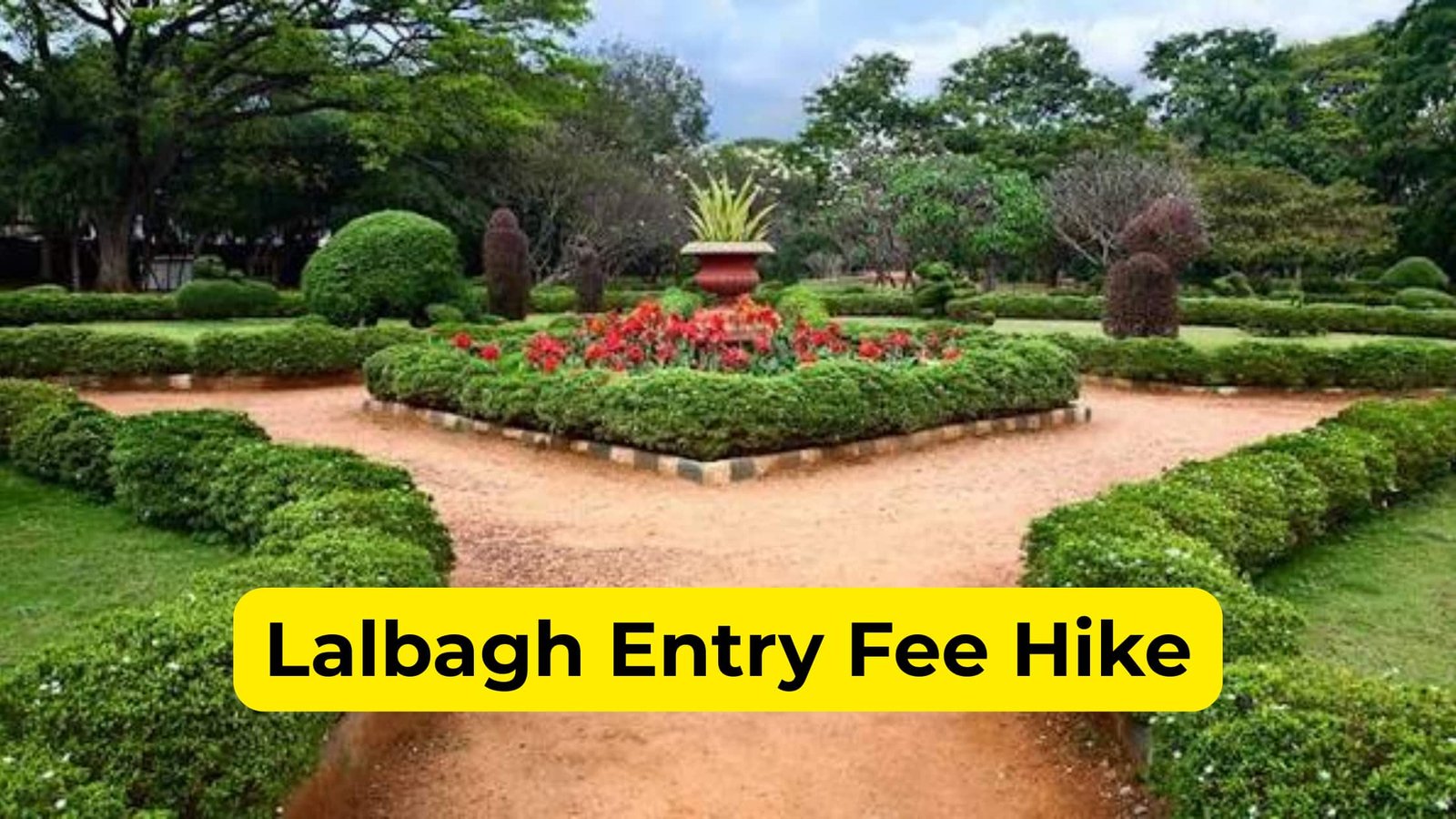
If you visited Lalbagh a couple of years ago and are planning a repeat trip, don’t be surprised if the number on your ticket looks a little different this time. The Department of Horticulture, which manages Lalbagh Botanical Garden, revises entry pricing from time to time — and the garden has seen a fee increase move it from the long-standing ₹25 mark closer to ₹30 for Indian visitors.
It’s a modest jump on paper, but for a garden that has kept its entry fee largely unchanged for years, even a small revision tends to catch regular visitors off guard. Here’s what’s actually going on, and what it means if you’re planning a visit.
Why Government Gardens Revise Ticket Prices
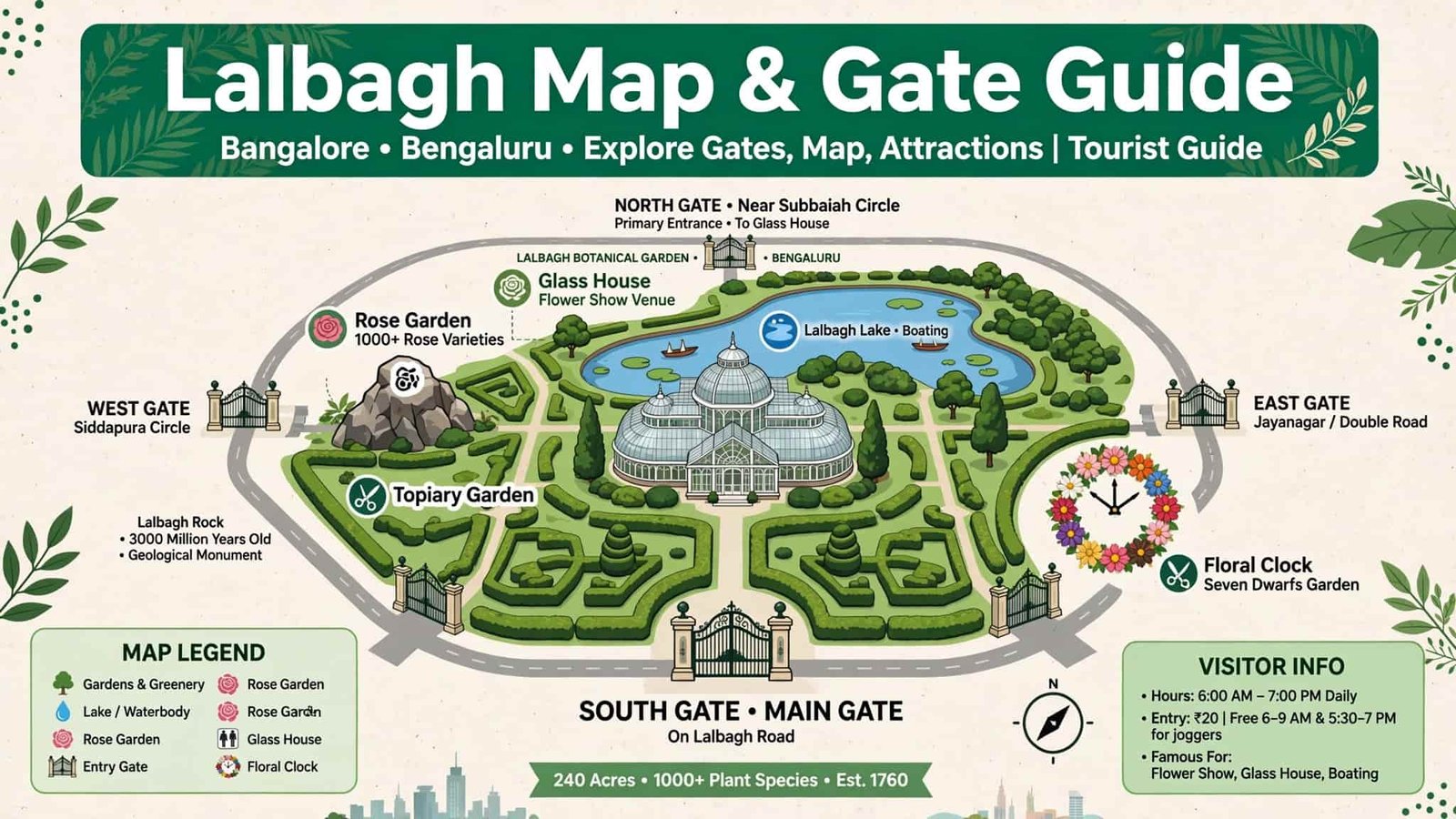
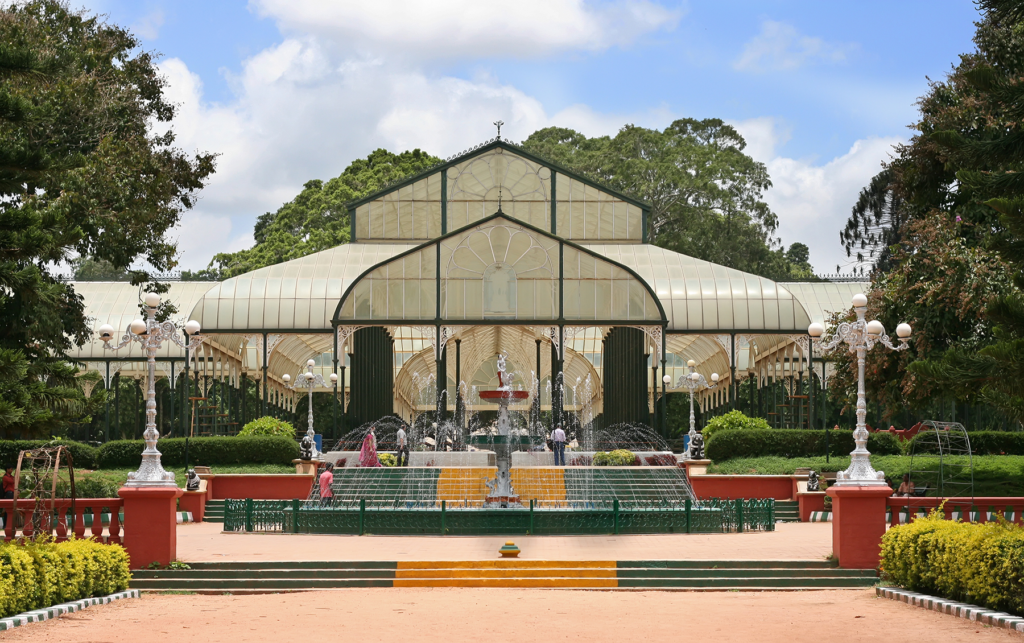
Public gardens like Lalbagh aren’t run purely as tourist attractions — they’re active botanical research and conservation institutions maintained by the Karnataka Horticulture Department. Maintenance costs for a 240-acre garden housing over 1,800 plant species, a working lake, heritage structures like the Glass House and Kempegowda watchtower, and daily footfall in the thousands, add up. Fee revisions are typically tied to:
- Rising maintenance and conservation costs
- Infrastructure upgrades (walkways, lighting, restroom facilities)
- GST applicability on ticketing, which was extended to garden entry and parking fees in past revisions
- General inflation adjustments that most public attractions undergo periodically
None of this is unique to Lalbagh — comparable public gardens and heritage sites across Indian cities have gone through similar periodic revisions.
A Brief Look at Lalbagh’s Pricing History
Entry pricing at Lalbagh hasn’t moved dramatically or frequently over the years — that’s part of why any revision tends to get noticed by regulars. One of the more significant structural changes came when GST was extended to cover entry and parking tickets at government-run attractions, a shift that applied not just to Lalbagh but to public garden and monument ticketing broadly across the state. Since then, revisions have generally been incremental rather than steep, which is consistent with how the garden has positioned itself — as an accessible public space first, and a paid attraction second.
What the Fee Hike Actually Means for You
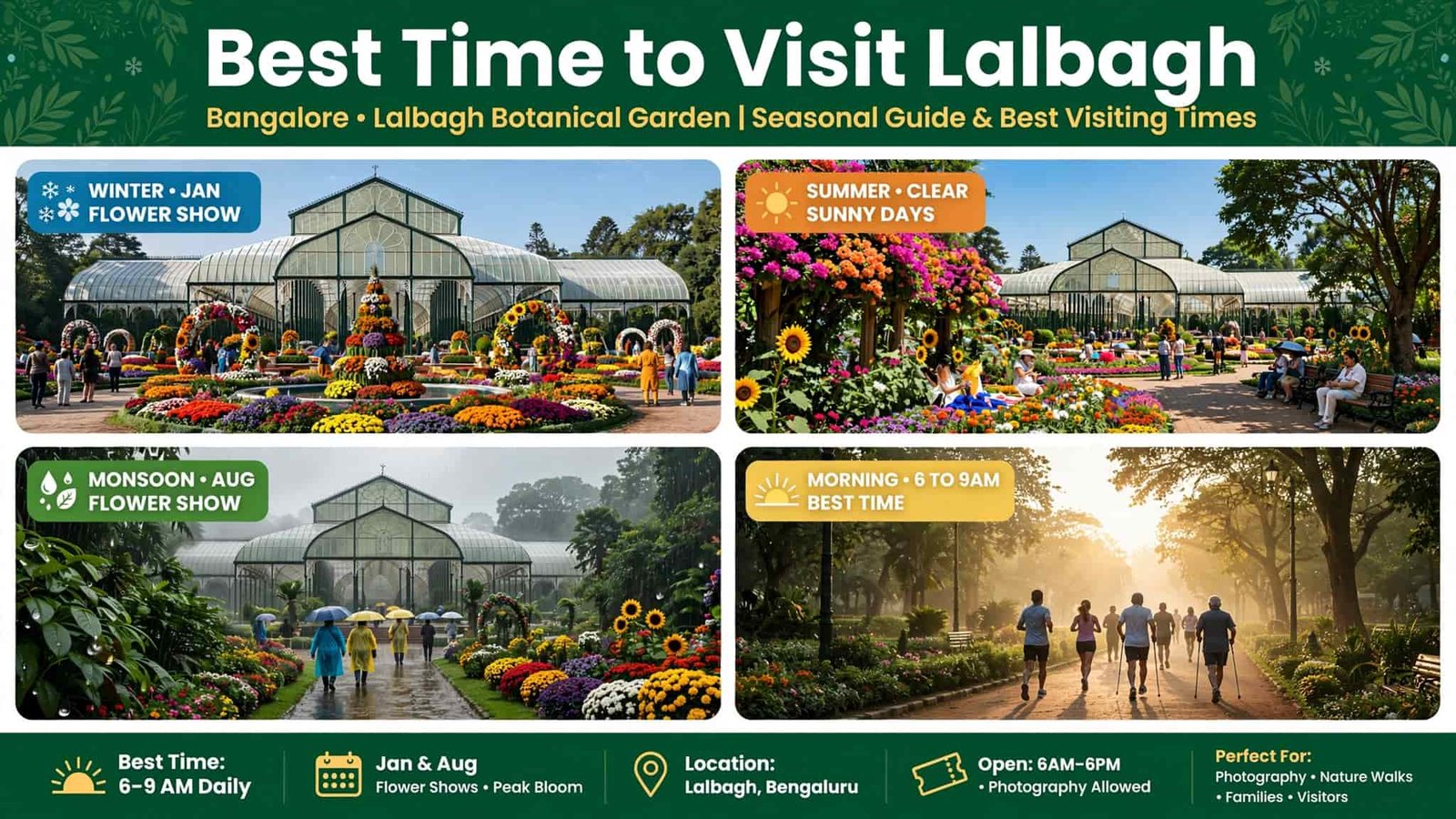
For a typical visitor, the practical impact is minor. A few extra rupees on a regular-day ticket isn’t going to change anyone’s travel plans. Where it’s worth paying closer attention is around flower show season, when pricing jumps considerably higher than regular-day rates — Independence Day and Republic Day flower shows have their own separate, higher fee structure, with weekend rates typically higher than weekday rates.
If you’re budgeting for a family outing during a flower show weekend specifically, it’s worth checking current rates before you go rather than assuming the regular-day entry fee applies — the two are calculated completely differently.
How Lalbagh Compares to Other Attractions in the City
Even after the revision, Lalbagh remains one of the most affordable full-day outings in Bangalore. For context, many private gardens, theme parks, and paid viewpoints around the city charge multiple times Lalbagh’s regular entry fee for a fraction of the space and variety on offer. A ticket to Lalbagh buys access to 240 acres, a working lake, heritage architecture, and over a thousand plant species — there simply isn’t a comparable public attraction in the city offering that scale at this price point, hike included.
Has Anything Else Changed Along With the Fee?
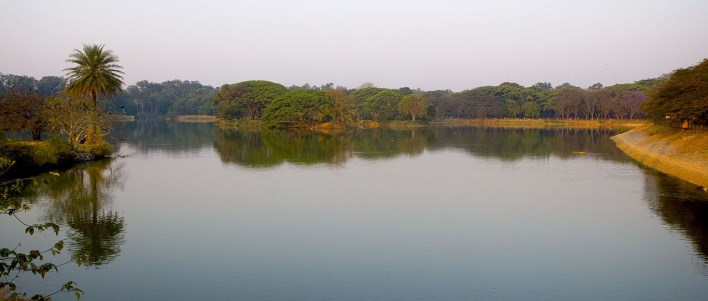
Fee revisions at Lalbagh have, in recent cycles, come alongside broader visitor-experience updates — things like added selfie points near the lake, a small artificial waterfall feature introduced near Lalbagh Lake, and improved parking arrangements around flower show periods (with designated overflow parking at nearby locations such as the Hopcoms lot, Al-Ameen College on Dr Marigowda Road, and multi-storey parking on KH Road and JC Road during peak events). So while the ticket costs a little more, it’s generally paired with incremental improvements to the visitor experience rather than a bare price increase.
How Visitors Have Reacted
Reaction to fee revisions at public institutions like Lalbagh tends to follow a familiar pattern: mild grumbling in the days immediately after a change is announced, followed by the new price simply becoming the norm within a few visits. Regular walkers and senior citizens — the group most sensitive to any change in a place they visit almost daily — are the ones most likely to notice and discuss a revision, though the early-morning free-entry window means this group is often less directly affected by paid-entry changes than occasional weekend visitors.
Should You Still Visit?
Absolutely — Lalbagh remains one of the most affordable full-day outings in Bangalore by a wide margin. Even at revised rates, entry costs a fraction of what comparable attractions charge, and you’re getting access to a 240-acre heritage garden with century-old trees, a working lake, and one of the city’s most recognizable landmarks in the Glass House. A few extra rupees on the ticket doesn’t change that value proposition.
Our Advice
Prices at government-run attractions change without much public notice, so if pricing accuracy matters to your planning — say, you’re organizing a group outing or a school trip — it’s worth a quick call or check with the Horticulture Department directly before finalizing your budget. For everyday individual visits, the fee, current or revised, remains genuinely low for what the garden offers. Treat any published number, including the ones in this article, as a helpful estimate rather than the final word — and when in doubt, the gate counter will always have the current, accurate figure.
Read Also: Lalbagh Botanical Garden Timings and Entry Fee (2026 Guide)

Suresh Kumar is the founder and editor of LalbaghBotanicalGarden.com, a website dedicated to helping visitors plan their trips to Lalbagh Botanical Garden with accurate, well-researched information on timings, fees, history, and attractions. Content is compiled and fact-checked using official sources and government tourism records.
Email: lalbaghgardenbangalore@gmail.com